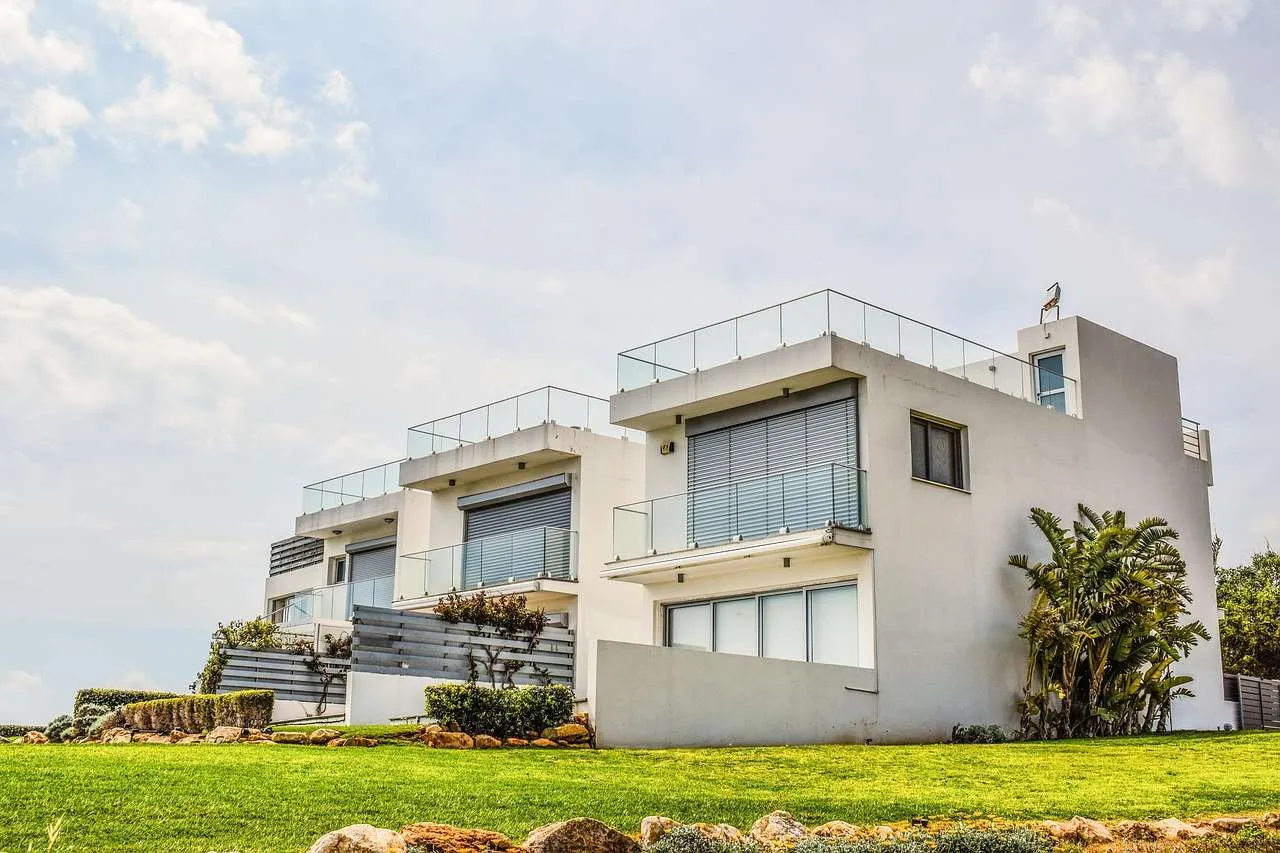
Epdm roofing has long been a staple for flat and low-slope roofs. Made from ethylene propylene diene monomer rubber, it offers durability, flexibility, and reliable waterproofing for buildings across climates.
What is EPDM roofing?
EPDM stands for ethylene propylene diene monomer, a synthetic rubber membrane used primarily on flat and low-slope roofs. It resists weathering, UV exposure, and ponding water, and it remains flexible in cold temperatures. EPDM roofing is available in black or white/gray formulations, with the white variants designed to reflect sunlight and reduce cooling loads.
Materials and thickness
Common thicknesses are 45 mil and 60 mil thick membranes. Heavier options (up to 80 mil) are used in high-traffic or challenging environments. The color and thickness influence durability, flexibility, and energy performance.
Types of EPDM membranes
EPDM can be installed as a single-ply membrane in several configurations: fully adhered (glued down), mechanically fastened (screwed to the deck with plates), or ballasted (held in place with ballast such as gravel or pavers). White or light-colored EPDM sheets offer better heat reflectivity in sunny climates, while black EPDM remains a cost-efficient, durable option.
Benefits of EPDM roofing
- Proven durability with resistance to weathering, ozone, and temperature extremes.
- Excellent waterproofing with flexible seams that adapt to building movement.
- Relatively low installed cost and straightforward field modifications or patches.
- Good performance on flat or low-slope roofs; easy maintenance and repair.
- Versatile installation methods and compatibility with various substrates.
Drawbacks and considerations
Dark EPDM membranes can absorb heat, potentially increasing cooling costs unless white or reflective variants are used. Proper installation is essential to avoid seam failures; patches or repairs should be performed by trained professionals using compatible EPDM adhesives. Flashes, edges, and penetrations require careful detailing to prevent leaks over time.
Installation and maintenance
Installation methods
Choose from fully adhered, mechanically fastened, or ballasted systems based on climate, roof structure, and traffic. A qualified contractor ensures correct substrate preparation, seam bonding, and edge detailing.
Maintenance tips
Conduct routine inspections at least twice per year and after severe weather. Keep drainage paths clear, inspect for punctures or separation at seams, and repair promptly using manufacturer-approved EPDM patches and adhesives. Clean the membrane rarely and only with mild soap and water to avoid residue that could affect adhesion during repairs.
Cost, lifespan and warranties
EPDM roofing typically costs between $4 and $8 per square foot installed, depending on thickness, system type, and roof complexity. With proper care, EPDM roofs can last 20–30+ years, often with warranties ranging from 10 to 20 years for materials and labor. A reputable roofer will outline the warranty terms, including coverage for seams, flashing, and ponding.
EPDM vs alternatives: a quick comparison
The following table summarizes how EPDM compares with other common flat-roof membranes:
| Material | Lifespan | Typical Installed Cost | Best Uses | Installation Method | Energy/Reflectivity |
|---|---|---|---|---|---|
| EPDM | 20–30+ years | $4–$8 | Flat or low-slope roofs | Fully adhered, mechanically fastened, or ballasted | Black options; white variants available |
| TPO | 15–25 years | $5–$9 | Energy-efficient roofs | Typically mechanically fastened or fully adhered | High reflectivity |
| PVC | 20–30 years | $8–$15 | High chemical exposure or traffic | Fully adhered or mechanically fastened | Excellent reflectivity |
| Built-up Asphalt | 15–25 years | $4–$6 | Simple flat roofs with moderate loads | Layered with ballast | Lower reflectivity |
How to choose a contractor
Look for licensed, insured roofing professionals with proven EPDM experience. Verify warranties, request references, and confirm that the installer follows industry standards for deck preparation, flashing, and seam bonding. Ask about white/reflective EPDM options if energy efficiency is a priority.
Conclusion, EPDM roofing provides a durable, versatile, and cost-effective solution for flat and low-slope roofs. Its flexible membranes, multiple installation options, and accessible maintenance make it a strong choice for commercial and residential projects. To maximize performance and longevity, hire a licensed contractor, select the appropriate thickness and installation method, and perform regular inspections and timely repairs. This approach ensures a reliable, long-lasting EPDM roof that protects your structure for decades.
%20561-9632-9991f1c4c750?q=80&w=2070&auto=format&fit=crop)